
大谷翔平の試合を観るためロサンゼルスへ①:アメリカはすでに資本主義の“終末局面”か/ Traveling to Los Angeles to Watch Shohei Ohtani①: Is America Already in Capitalism’s Terminal Phase?
Just before Japan’s Golden Week in 2026, I took a trip to California. I spent six days in San Diego and four days in Los Angeles, making it a journey of a little over ten days in total. The main purpose of the trip was to watch Shohei Ohtani play at Dodger Stadium.
As a baseball fan, seeing Ohtani in action at the Dodgers’ home stadium had been high on my bucket list, and this trip finally gave me the chance to make it happen.
(English text continues to the latter half of the page)
・2026年ゴールデンウィークの直前にカリフォルニア州に行ってきました。サンディエゴに6日、ロサンゼルスに4日間、計10日余りの旅。その主たる目的はドジャーズスタジアムで大谷翔平の試合を観ること。
・もちろん楽しい旅だったし、試合では大谷選手がホームランを始め全打席でヒットを打ったし、まずは楽しい思い出から話を始めるべきかもしれない。しかしあらためてこの約7年ぶりのアメリカ滞在を振り返ってみると、強烈に心に残った印象は『アメリカはもはや資本主義の終末局面にあるのではないか』という直感だった。
・いきなり深刻な話題を最初に持ってくることには抵抗があるけど、旅から戻ってどうにも頭から離れないことなので記しておきます。
日本人には恐ろしい現地物価と、貧富の拡大
今回の旅は10日余り、まずSan Diegoに5泊、それからLos Angelesに4泊、帰国2日前の日曜日にドジャースタジアムにシカゴ・カブス戦を観に行くことになった。あらかじめ覚悟していたとは言え、現地の物価はどうしても円換算してしまう日本人にとって恐ろしいものだった。レンタカーや宿泊費はピークシーズンをうまく外したおかげで比較的ましだったものの、とにかく外食やエンターテイメント施設が高い!
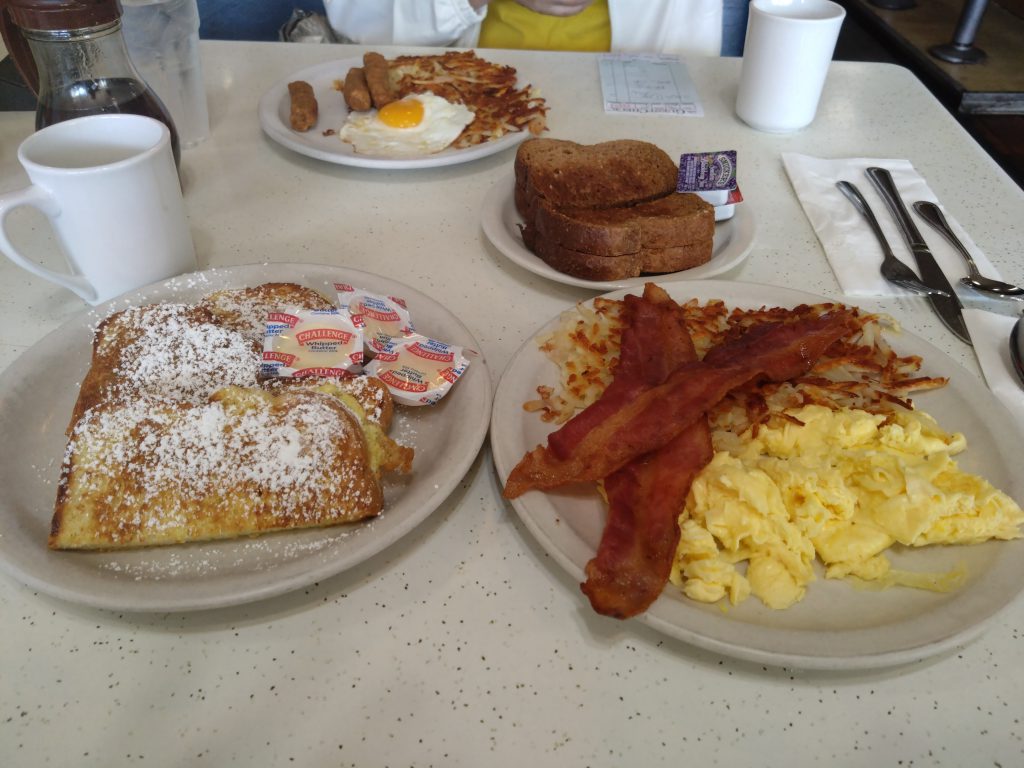
たとえばこのブレックファストメニュー、サンディエゴの宿の近くにあったカフェの朝食。決して敷居の高い店でなく、近くの海岸でサーフィンした若者が気軽に朝食に立ち寄るようなところだ。この2人分の朝食がチップ込みで9,300円($=157円換算)!ちなみに味はとても美味しかった。
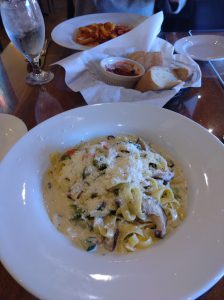
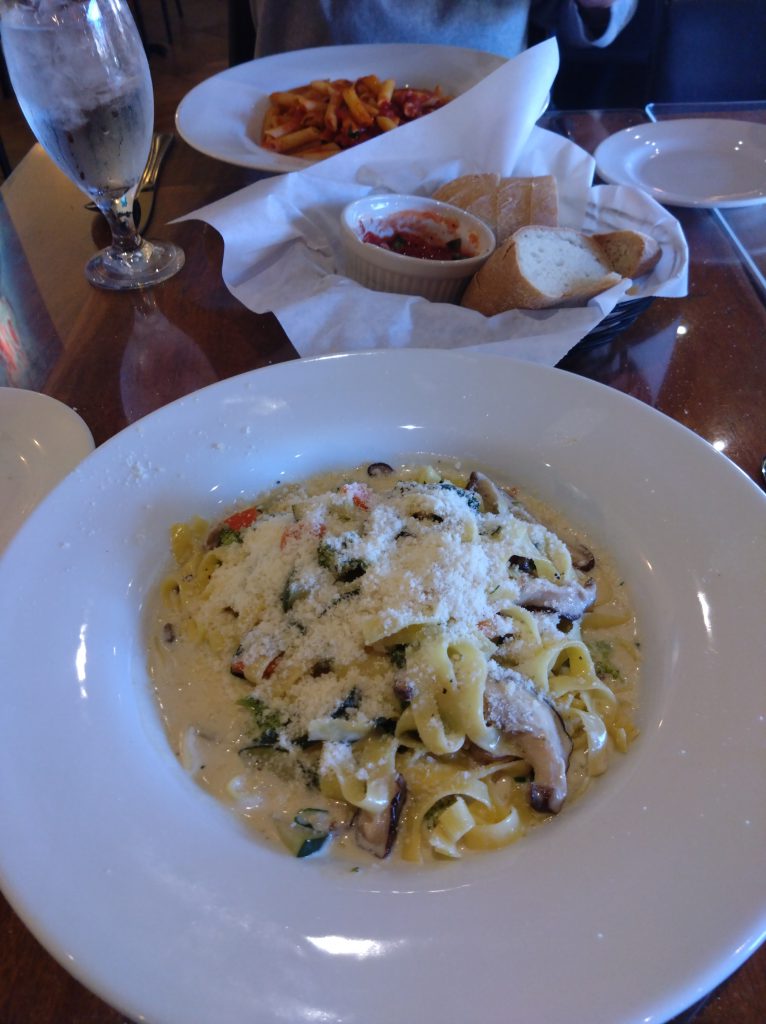
これがランチになるとさらに高くなり、下の写真はサンディエゴのリトルイタリーで入ったカジュアルなレストランのパスタランチ。もちろんランチメニューだけど、これはコーヒーを含めて2人で28,000円。ただでさえ価格帯が高いのに、さらに2割のチップを払うのはあまりに財布に痛い。
単なる物価高でなく、資本主義の“歪み”が現れていないか
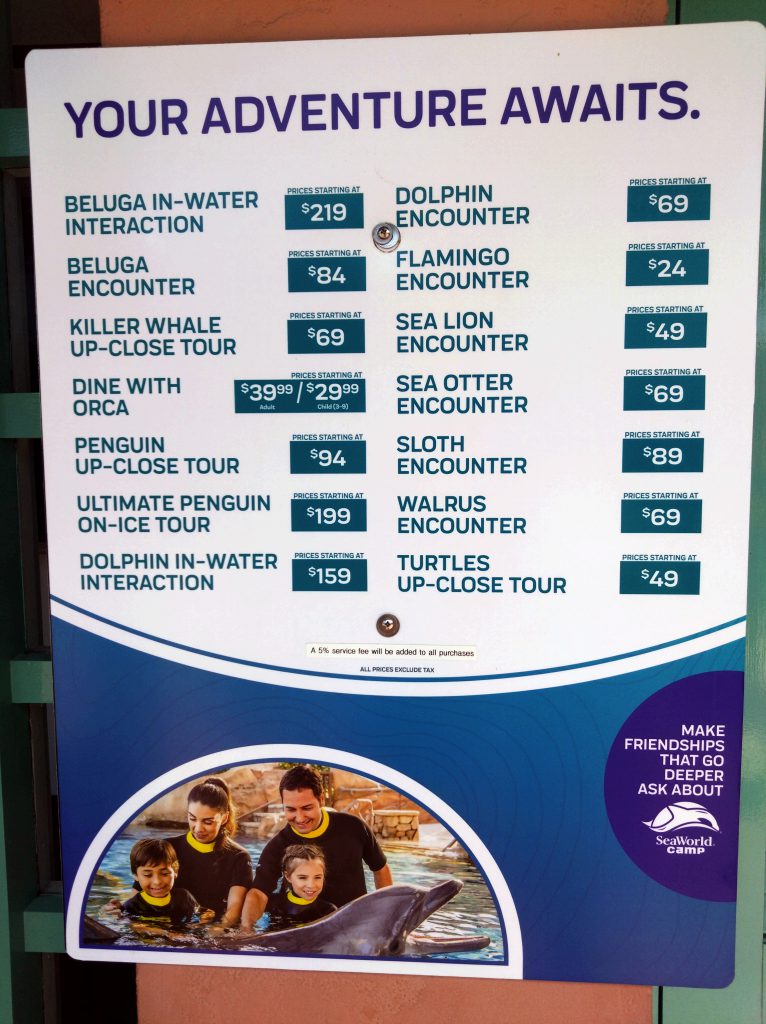
外食を離れてエンタテイメント施設を見てよう。下の写真はSan Diego Sea World(千葉の鴨川シーワールドの技術協力パートナー)で見つけた園内のアクティビティ一覧。もちろん園内に入るのにすでに入園料で一人$130(約2万円)、駐車代で$40(約6,300円)を支払っている。さらに楽しいアクティビティに参加しようと思ったら、ベルーガとの水中ランデブーが$219(約34,300円)、ペンギンへの接近が$199(約31,200円)、イルカと水中で触れ合いが$159(約25,000円)だの、子供の欲するままに遊ばせていたら日帰りの水族館レジャーがあっという間に10万円以上のコストになってしまう。
日本人から見たら異常なレベルに見えるこうした物価水準は、一つには為替換算のマジックのせいもある。日本円の米ドルに対する購買力平価は直近で105~110円程度、ところが実際の為替レートでは160円前後と5割近くディスカウントされている。これは日本の財政が手詰まりで金利を大きく上げようにも上げられない事情を市場が理解しているためで、日本人にとっては外国で本来の価値よりも5割増しで支払わされている状況なので、何もかもが高く見えるのは当然のことのように見える。
しかしこのサンディエゴ・シーワールドで見られるような贅沢なオプション価格からは、単なる物価高と言うよりも「社会の分断」、「資本主義の歪み」と言うべきものが強く感じられてならない。直近30年で日本の経済、特に個人所得はほぼ停滞したままだった一方で、アメリカ経済はほぼ一貫して拡大を続け代表的な株価指数であるS&P500は12倍になり、所得も雇用も大きく上昇した。アメリカで順調に社会の中で働いていれば日本人にとっては恐ろしく高水準の物価の中でも生活できていけるかもしれない。直近のアメリカの家計所得のメディアン値は$83,760(≒1,340万1,600円)と日本の300万円台後半と比べてはるかに高く、週末に子供を連れてサンディエゴ・シーワールドに遊びに来る余裕のある家族も多いだろう。しかしそこからさらに子供のためにオプションプログラムに数十万円を支払える家族は一握りではないか。アメリカはこの30年で大きく成長したが、その成長の果実はむしろ貧富の差を広げる方向に働いている。もちろん少数の“持てる者”がはるかに多くの資産を手にする形だ。
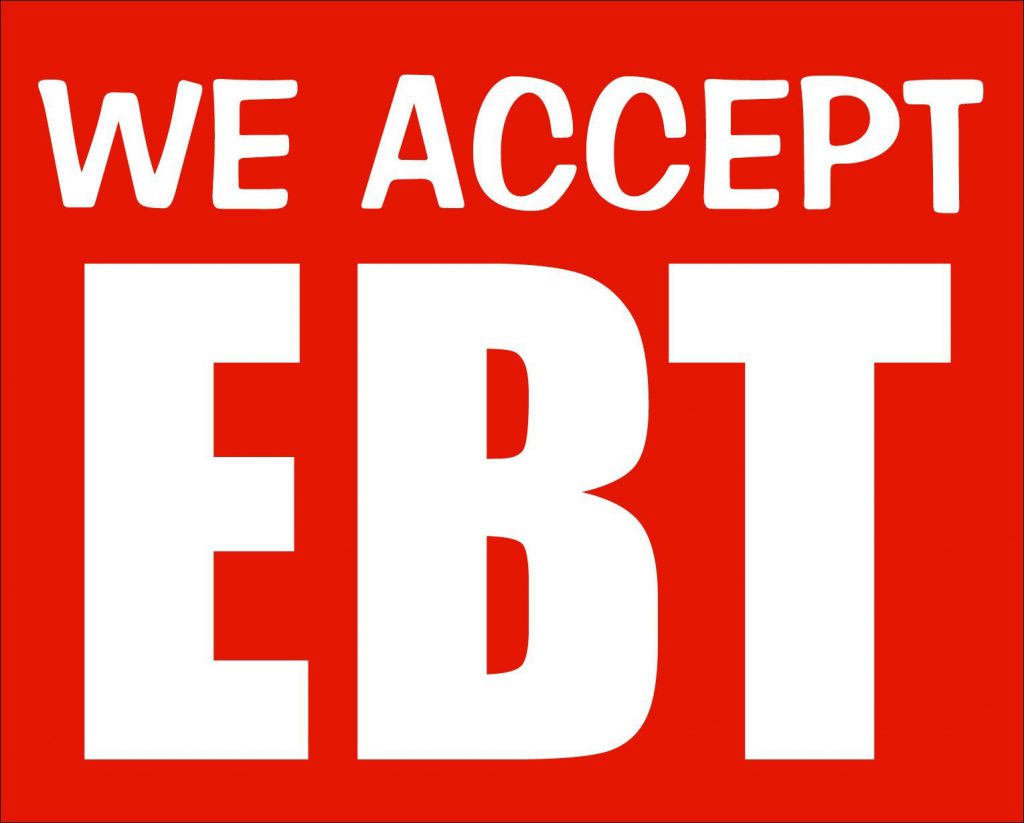
富の偏在を表すジニ係数(1に近いほど社会の富が少数によって偏在されている)は、直近の日本で0.32、欧州で0.29、アメリカでは0.41~0.42と、もともとアメリカにおける富の格差は先進国の中でもかなり高かった。新型コロナによる混乱を経て、近年では急騰はないものの高原状態からさらに高いところに居所を移している。最近ではスペースXの上場に伴って、イーロン・マスクが史上初の『兆万長者』になったことが報じられた。彼の資産は$1兆(≒160兆円)で一般的な家計所得の500万倍、もはや比較の意味もないくらいの格差だ。貧富の差が大きいアメリカでも前代未聞の大金持ちの誕生だ。こうした国家予算にも匹敵する資産を持つ個人が出る一方で、日々の暮らしにも事欠く層が多く存在していることも事実だ。ロサンゼルスのダウンタウンを歩いていると、飲食店、特にファストフード店で下の写真のような『EBT』という看板をやたらに目にする。実は初めて見た時には、これを「未熟練労働者(Employee before training)」を雇用するところかと思ったのだが、実はこれは『Electronic Benefit Transfer(電子給付金支給システム)』を表し、貧困者向けのフードスタンプを電子カード化したものだった。このEBTが支給されているのは、全米で人口の11~12%、実に8人から9人に一人が福祉による食料品支給の世話になっていることになる。
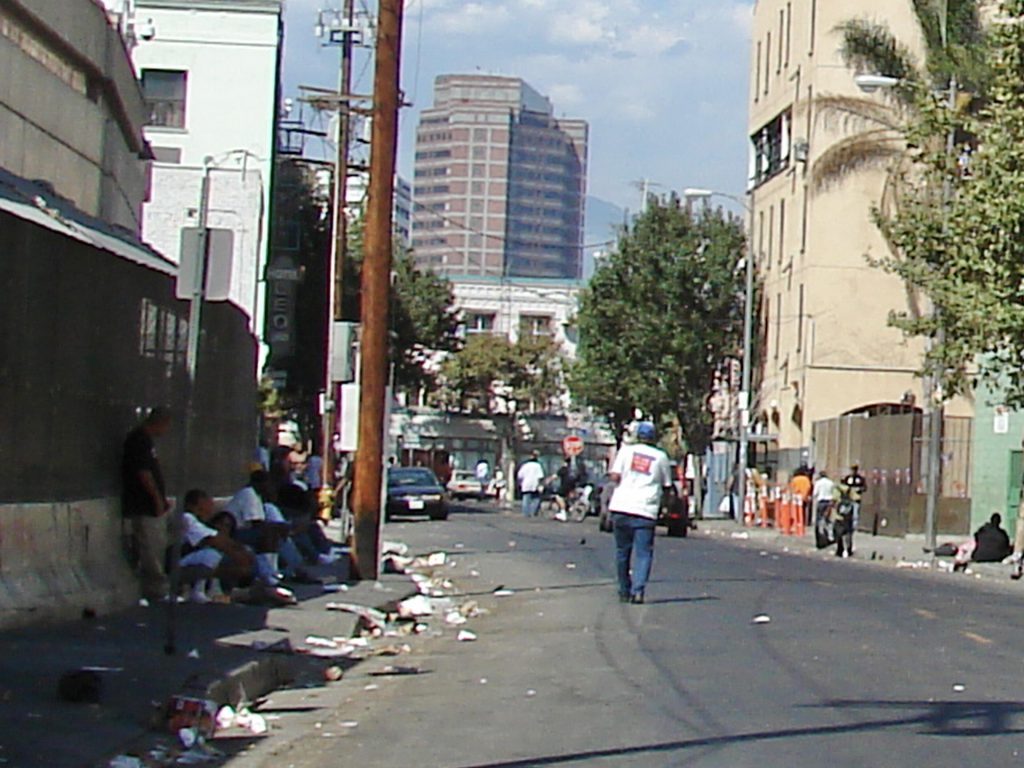
ロサンゼルスの中でもフェンタニル中毒が溢れているスキッドローの付近も車で訪れてみた。直接周囲を撮影するのは危険だったので、ここではネットの拾い物の写真を下に掲げるが、ここがハリウッドの観光地から歩いて30分くらいのところとはなかなか信じられない。こんなに狭い地域で富める者と切り捨てられた者たちが、共に暮らしているのはまるでディストピアをテーマにした映画を観ているようだ。
Wikipediaより転載
資本主義の終末局面/アメリカの覇権は終末に近づいているのか
第二次世界大戦以降の50年間は米ソに代表される資本主義と共産主義の闘いだった。もちろん1990年以降はソ連を始め大半の社会主義国が破綻し、世界は一気に資本主義へ傾き、その中でもアメリカは世界の覇権国として資本主義経済の拡大を享受し続けた。しかし資本主義の力をほぼ最終局面まで突き詰めたような現在のアメリカの姿は果たして“持続可能”なものと言えるだろうか。このまま資本主義がさらにその傾向を強めて、富の偏在をますます強めていくことをこれ以上世界が許すだろうか、という思いがどうしても拭えない。
もちろん資本主義に幻滅した大衆が再び社会主義に走るなんてことは現代では考えにくい。大衆の不満が沸点に達した時に革命が起こるなんて事態はあまり想像できない。だが現在のアメリカはトランプと言う近代では例を観ないほどの狂人的な大統領が大金持ちを操りながら専制的な政治を敷いている。遅かれ早かれ彼が退いた後を担う政権では、これまでの混乱をいやでも是正する方向に行かざるを得ない。その中にはこれまでアメリカで軽視されてきた、「富の再分配」を促す相続税や、IPO、M&Aによるキャピタルゲイン課税強化などの施策も含まれそうだ。これによって行き過ぎた富の偏在傾向は緩和されるかもしれないが、その一方で、これまで資本主義の全力を挙げたアメリカの成長力には陰りが出る方向に動き出すかもしれない。資本主義を突き詰めて成長を続けてきたアメリカは現在がほぼそのピークに達しているのではないか。
アメリカが世界の覇権国である証左は、米ドルが世界の基軸通貨であることだ。基軸通貨の交代は一朝一夕に起こるものではなく、十年単位の時間をかけてゆっくりと進んでいく。100年前に英ポンドに代わって、米ドルが基軸通貨になった時もそうだった。いきなり世界中の準備通貨が中国元や他の通貨に代わってしまうような事態はあり得ない。しかしアメリカの世界におけるポジションは現在がピークで、これからは徐々にそのポジションを次代の国家、通貨(必ずしも現実の通貨に限らない)に譲っていくプロセスの“終わりの始まり”ではないかという未来図が、自分が今回アメリカに10日あまり滞在して得た最大の印象だった。
いきなり焦点のぼやけたネガティブな話になってしまいました。ここから先はカリフォルニアの青い空にふさわしい、明るく楽しい話を続けていきたいと考えています。
・Just before Japan’s Golden Week in 2026, I traveled to California. I spent six days in San Diego and four days in Los Angeles, making it a journey of a little over ten days in total. The primary purpose of the trip was to watch Shohei Ohtani play at Dodger Stadium.
・Of course, it was a wonderful trip. Ohtani hit a home run and recorded a hit in every one of his plate appearances. Perhaps I should begin by sharing those enjoyable memories first.
・Yet, as I look back on my first stay in the United States in nearly seven years, the impression that remains most vividly in my mind is a very different one: a growing intuition that America may have entered the final stage of capitalism.
I hesitate to open with such a serious topic, especially when the trip itself was so enjoyable. But since this thought has lingered in my mind ever since I returned home, I feel compelled to write it down before discussing anything else.
The Staggering Cost of Living and the Widening Wealth Gap
My trip lasted a little over ten days. I spent the first five nights in San Diego, followed by four nights in Los Angeles. On the Sunday before my return to Japan, I finally made my pilgrimage to Dodger Stadium to watch the Dodgers take on the Chicago Cubs.
Although I had prepared myself mentally, the local prices were still shocking—especially for a Japanese visitor who instinctively converts everything back into yen. Rental cars and accommodations were somewhat manageable since I had deliberately avoided the peak travel season. But dining out and entertainment were on an entirely different level.
Take this breakfast, for example. It was served at a casual café near my hotel in San Diego, the kind of place where young surfers would stop by after a morning session at the beach. Nothing fancy, nothing upscale. Yet breakfast for two came to about ¥9,300 including tax and tip (assuming an exchange rate of ¥157 to the dollar). To be fair, it was absolutely delicious.
Lunch was even more eye-opening. The photo below shows a pasta lunch at a casual restaurant in San Diego’s Little Italy neighborhood. It was a lunch special, not a fine-dining experience by any means. Yet the bill for two people, including coffee, came to nearly ¥28,000. The prices alone were painful enough, but having to add a 20 percent tip on top of that made the experience even harder on the wallet.
More Than Just Inflation: Are We Seeing the Distortions of Capitalism?
Moving beyond restaurants, let’s look at entertainment venues.The photo below shows a list of premium activities offered at SeaWorld San Diego, a marine park that has a long-standing relationship with Kamogawa Sea World in Japan. By the time you enter the park, you have already paid $130 per person for admission (about ¥20,000) and another $40 for parking (about ¥6,300).
But those costs are only the beginning.
If you want to participate in some of the park’s signature experiences, prices quickly escalate. A chance to swim alongside a beluga whale costs $219 (about ¥34,300). Getting up close to penguins costs $199 (about ¥31,200). An in-water dolphin interaction costs $159 (about ¥25,000).
Viewed individually, each activity may seem like a special once-in-a-lifetime experience. But if you are visiting with children and simply saying yes to the attractions that catch their eye, the cost of a single day at the aquarium can easily exceed ¥100,000.
What struck me was not just the absolute level of these prices, but how normalized they appeared to be. Families lined up for these experiences as if they were routine purchases, suggesting a level of spending power that felt increasingly detached from what most middle-class households in Japan could comfortably afford.
A significant part of what feels like “abnormal” price levels to Japanese visitors is, of course, an illusion created by exchange rates. Japan’s purchasing power parity against the US dollar is estimated to be roughly ¥105–110 per dollar in the most recent data, yet the actual market exchange rate has been hovering around ¥160. In effect, the yen appears to be trading at a discount of nearly 50%.
One way to interpret this is that financial markets are reflecting Japan’s structural constraints—particularly the difficulty of raising interest rates meaningfully given the country’s fiscal situation. As a result, Japanese travelers end up effectively paying about 50% more in real terms when converting their spending abroad into yen. Seen in this light, the feeling that everything is “shockingly expensive” is not entirely surprising.
And yet, what stood out in places like SeaWorld San Diego was not simply high prices in nominal terms, but something that felt deeper: a sense of social division and what might be described as a distortion within capitalism itself.
Over the past three decades, Japan’s economy—particularly household income—has remained largely stagnant. By contrast, the US economy has expanded almost continuously. The S&P 500 index has risen roughly twelve-fold over that period, while both income and employment levels have increased substantially.
For households that have participated in that growth, even a high-cost environment like California may still feel manageable. Indeed, the median US household income now stands at around $83,760 (approximately ¥13.4 million), compared with Japan’s level in the upper ¥3 million range. In that context, it is not difficult to imagine many families comfortably bringing their children to places like SeaWorld San Diego on a weekend.
However, the ability to go beyond admission—to pay for premium, experience-based add-ons costing hundreds of dollars—likely belongs only to a much smaller segment of the population.
In that sense, the United States has undoubtedly grown significantly over the past 30 years. But it is hard to escape the impression that the fruits of that growth have been distributed in a highly uneven way. Rather than lifting all boats equally, the system appears to have amplified differences—concentrating gains among a relatively small group of “winners,” while leaving others far behind.
Measures of wealth inequality such as the Gini coefficient—which approaches 1 as wealth becomes increasingly concentrated in the hands of a small minority—suggest that Japan currently stands at around 0.32, Europe at approximately 0.29, and the United States at around 0.41–0.42. In other words, even among advanced economies, the United States has long exhibited a relatively high level of income and wealth inequality.
Following the disruption caused by the COVID-19 pandemic, inequality has not necessarily continued to surge dramatically, but it appears to have settled at a persistently elevated plateau.
More recently, reports have circulated about the emergence of what would effectively be the world’s first “trillionaire” following the valuation surge of SpaceX, with Elon Musk’s net worth estimated at around $1 trillion (approximately ¥160 trillion). To put this into perspective, this figure is roughly 500,000 times the income of an average household—so large that any meaningful comparison becomes almost impossible.
While such extreme concentrations of wealth are unprecedented even in a country accustomed to large disparities like the United States, they coexist with a very different reality on the ground.
Walking through downtown Los Angeles, for example, one repeatedly notices signs marked “EBT” at restaurants, particularly fast-food establishments. At first glance, I mistakenly assumed this referred to something like “Employee Before Training,” a kind of entry-level employment designation. In reality, however, EBT stands for Electronic Benefit Transfer, the system through which food stamp benefits are distributed in electronic form.
This system is part of the Supplemental Nutrition Assistance Program (SNAP), and is used by a significant portion of the population. In fact, roughly 11–12% of Americans receive some form of food assistance through this program—meaning that around one in eight or nine people rely on government support for basic nutrition.
In Los Angeles, I also drove near the Skid Row area, which has become widely associated with fentanyl addiction and visible homelessness. I did not take photos of the surroundings myself, as it did not feel safe to do so. Instead, I have included a publicly available image below.
What is difficult to comprehend is how close this area is to Hollywood itself—just about a 30-minute walk away from one of the most visited tourist districts in the world.
The contrast is almost surreal. Within such a small geographic space, extreme wealth and extreme deprivation coexist side by side. Walking—or even just driving—through these neighboring realities feels less like observing a modern city and more like stepping into a dystopian film, where the winners and the discarded of society are forced to inhabit the same frame.
Source: Wikipedia
Is this really just inflation and high prices—or are we witnessing a deeper distortion of capitalism?
For the fifty years following the Second World War, the world was largely defined by the struggle between capitalism and communism, represented most clearly by the United States and the Soviet Union. After 1990, of course, the Soviet Union and most other socialist states collapsed, and the world shifted decisively toward capitalism. Within that system, the United States continued to function as the leading hegemonic power, reaping the benefits of global capitalist expansion.
Yet one cannot help but wonder whether the current state of the United States—having pushed the logic of capitalism almost to its final stage—can truly be considered sustainable. It is difficult to shake the feeling that a system which further intensifies capital accumulation and wealth concentration may eventually reach a point that the world can no longer tolerate.
Of course, it is hard to imagine a modern mass movement abandoning capitalism in favor of socialism. A revolutionary rupture driven by popular anger seems unlikely in today’s context. And yet, the United States is currently led by a figure like Donald Trump, a president who, in a way rarely seen in modern times, has exercised highly concentrated political power while relying on and mobilizing extreme concentrations of wealth.
At some point, the administration that follows him will likely be compelled—whether willingly or not—to correct the instability and excesses of this period. That process may well include policy shifts that have long been relatively neglected in the United States, such as stronger redistribution mechanisms, higher inheritance taxes, and increased capital gains taxation on IPOs and M&A activity. While such measures may help ease extreme wealth inequality, they could also dampen the dynamism of American capitalism itself.
In that sense, one might ask whether the United States—having driven capitalism to its fullest expression—may now be approaching its peak.
The clearest evidence of American hegemony is the role of the US dollar as the world’s reserve currency. However, changes in reserve currencies do not occur abruptly; they unfold gradually over decades. The transition from the British pound to the US dollar followed such a long trajectory a century ago. It is not realistic to imagine that the world’s reserve assets will suddenly shift to the Chinese yuan or any other currency overnight.
And yet, it is possible that the United States is currently at or near the peak of its global position, and that what lies ahead is a slow transition of that position to the next dominant state—or even to a different kind of monetary order altogether. This “beginning of the end” of American primacy was, for me, the most powerful impression left by my ten-day stay in the United States.