
大谷翔平の試合を観るためロサンゼルスへ②:青空の楽園サンディエゴの休日/ Traveling to Los Angeles to Watch Shohei Ohtani②: A Getaway Under San Diego’s Blue Skies
Heading South to San Diego Right After Arrival
After a 10½-hour flight from Narita, I arrived at Los Angeles International Airport just before noon. From there, I picked up a rental car and headed south for about 200 kilometers to San Diego.
(English texts continue to the latter half of the page)
到着後すぐにSan Diegoに南下
成田から10時間半のフライトを経て、ロサンゼルス空港に昼前に到着。ここから南に約200Km離れたサンディエゴにレンタカーで向かう。サンディエゴはこれまでに出張で何度か訪れた場所だが、晴天率が高くカリフォルニアの青い空をいつも楽しめる平和な場所、海岸ではいつも多くの人がサーフィンを楽しんでいる。日本からシアトルに留学すると雨ばかりで鬱になるが、サンディエゴであればいつも明るくカラリとしていて英語の習得が楽しくなる、と言われている土地だ。また、メキシコ国境から20㎞あまりの国境の町でもある。どうせカリフォルニアに滞在するなら、治安が悪く物価の高いロサンゼルスよりもサンディエゴで旅の前半をゆっくり過ごそうと、ここを最初の目的地にした。


ロサンゼルス空港のAlamoレンタカーで借りた三菱エクリプス、これが10日間の旅の相棒になる。
ロサンゼルスからサンディエゴまではほぼ海岸沿いのルート5を南に2時間半ほど下る。

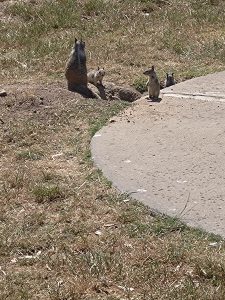
サンディエゴまであと30分ほどのパーキングに現れた地リスの家族。
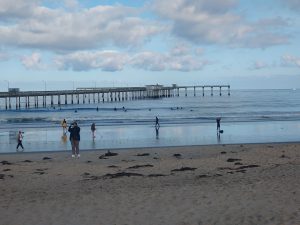
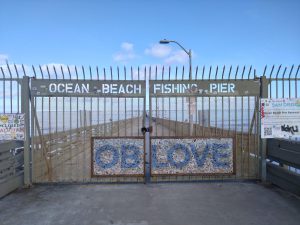
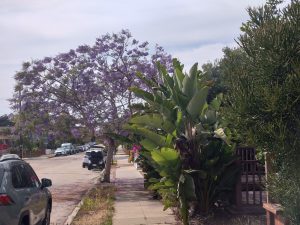
サンディエゴで宿泊地に選んだのはOcean Beach、通称OBと呼ばれるビーチまで歩いて15分ほどのエリア。カフェや小さな商店街もある非常に住みやすいところ。
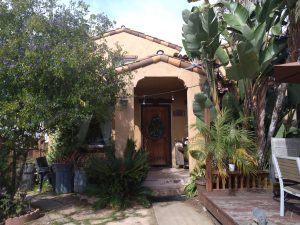
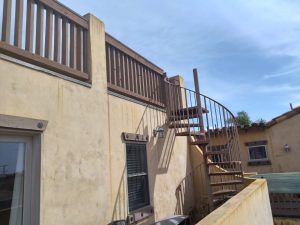
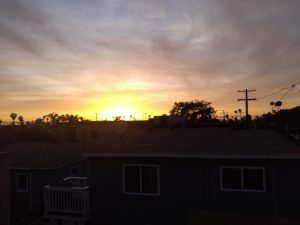
借りたのはAirbnbで見つけたスタジオルーム。家主の南国風の住宅の後ろの離れの2階を借り上げる形。コンパクトなワンルームだけど、ベッドは最大で3つ置けるようになっており、家族でも十分に泊まれる。夕方には海岸に沈む夕陽がくっきりと見え、ビールを飲みながらテラスから沈みゆく夕陽を眺めることには金銭に換算しがたい魅力がある。これで23,000円/泊くらいなのでお得感は実に強い。ただ一つ閉口したのは、このエリアが2Km先の空港への着陸コースの真下に位置しており、ひっきりなしに爆音がとどろくこと。夜の22:30~翌6:30の間は止むのだが、これさえ無ければ最高の立地と住まいだった。


映画『トップガン』の舞台と、開拓の最前線だったオールドタウン
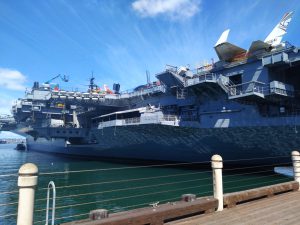
一部の映画ファンの間では、サンディエゴはトム・クルーズ主演『トップガン』の舞台としてお馴染み。湾には空母ミッドウェイを係留して、そのまま博物館として利用されている(入館料$41≒6,600円)。これ以外にもベイエリアを歩いていると、帆船や潜水艦などがそのまま海事関係の博物館として活用されており、明るくカラリとした機構の中で軍の街としてのテイストが濃厚だ。
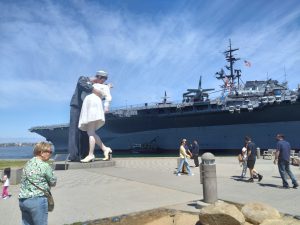
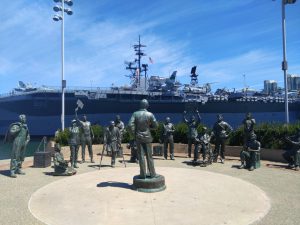
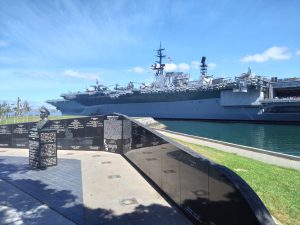


サンディエゴはもともと西部開拓のフロンティア。すでに日本では室町時代にあたる西暦1,542年にポルトガル人が西洋人として初めて足跡を残し、その後、1769年に当時はスペイン支配のメキシコに属していた現在のOld Townにカリフォルニアで初めての伝道所が置かれて、この地に欧州からの移民が集まるようになる。現在ではこのOld Townがサンディエゴ発祥の地とされている。そして1,850年、米墨戦争によってサンディエゴはアメリカに割譲され、カリフォルニア州最初の27郡の一つとして新たな歴史が始まる。
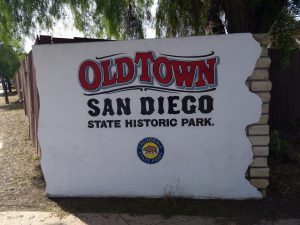
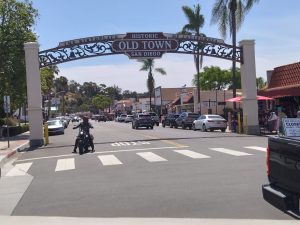
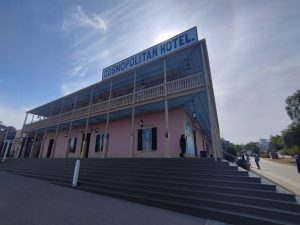
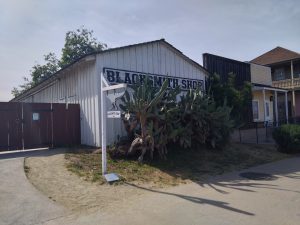
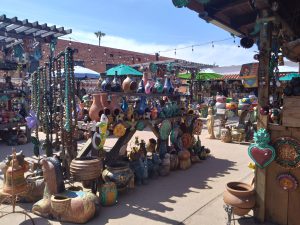
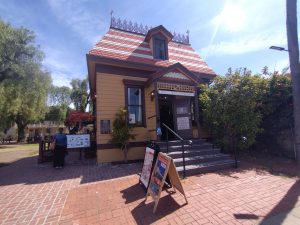
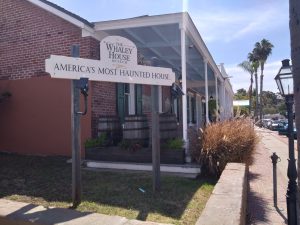
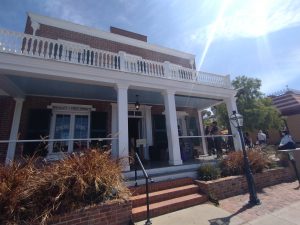
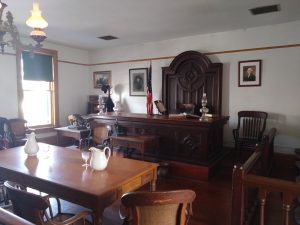
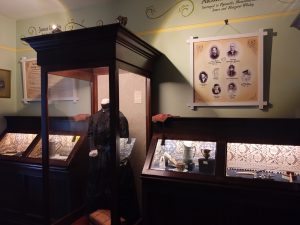
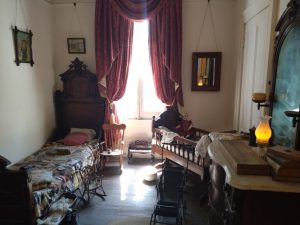
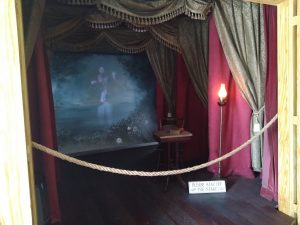
上の写真がOld Townの街並み。西部開拓のフロンティアとしての街並みと、メキシコのテイストが入り混じる。このOld Townには“全米で最も呪われた”幽霊屋敷、The Whaley Houseがある。19世紀半ばに街の公開処刑場だった土地を地域の実業家Whaley氏が買取り自分の屋敷を建てた。直前まで処刑が行われ、今でも牢屋の跡が残る土地に自分たち家族の屋敷を建てる神経がまず信じられないが、果たして屋敷の建設後に18か月の息子の病死、屋敷の一部への放火、娘であるヴァイオレット・ウェーリーの自殺など不幸が続き、多くの幽霊の目撃談も尽きなかった。代表的なものが、処刑場時代に首を吊られたヤンキー・ジム、トーマスとアンナのウェーリー夫妻、自殺した娘のヴァイオレットなど枚挙に暇がない。この屋敷は持ち主のウェーリー夫妻が死んだ後も、サンディエゴで最初の商業映画館、郡裁判所、商店など地域の重要な機能を果たし、現在では博物館として営業されている。
この手の幽霊話には目がない自分のことなので、もちろんツアーに参加しました。しかし、ただでさえ眩しい陽光のきらめくサンディエゴの真昼間だったので、まるでそんな幽霊の雰囲気なんて微塵も味わえなかった。やっぱり夜に来るべきだったかな。


メキシコ国境で見たアメリカの現実
サンディエゴはメキシコ国境までわずか20Km程度、街中にはメキシコからの労働者や移民の店舗も多く、スペイン語は普通に通じる。10年以上以前に出張で来た時にも友人の車で国境まで連れて行ってもらったが、今回あらためて国境近辺をドライブすると、その緊張感がはるかに増していた。
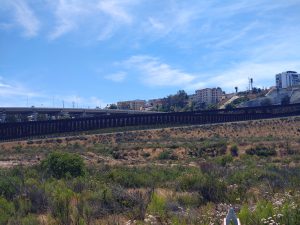
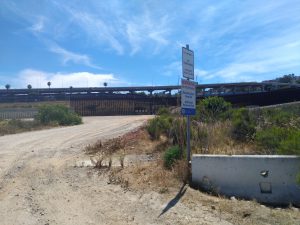
国境ゲートから少し離れたところからアプローチしてみたが、以前とは比べ物にならない厳重な壁が一寸の隙間もなく展開されている。こうした国境の壁はトランプ大統領就任のアイコンとしてニュース映像で観ていたが、あらためて目の前で見ると思った以上の臨場感がある。アメリカの“さい果て感”を限りなく感じる。
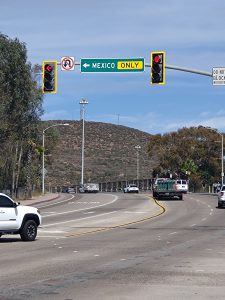
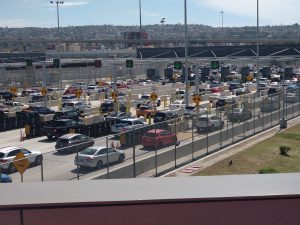
これが映画のシーンでもよく見る車の国境ゲートだ。手前の交差点には『Mexico “ONLY”』の注意書きが目立つ。平日にもかかわらずメキシコ側に向かう車の列が途切れない。
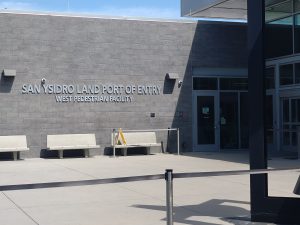
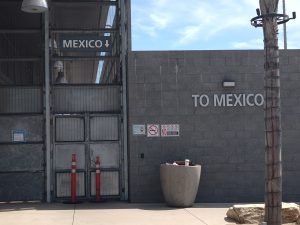
この国境にはもちろん自動車でなく、歩行者にとっての国境も存在する。上の写真がその出国審査に通じるドアだ。メキシコにはまだ足を踏み入れたことがないので、思わず一瞬だけでも入国して戻ってこようかと誘惑にかられたが、万が一再入国でトラブルに見舞われることを警戒して今回はアメリカ側から眺めるだけにした。
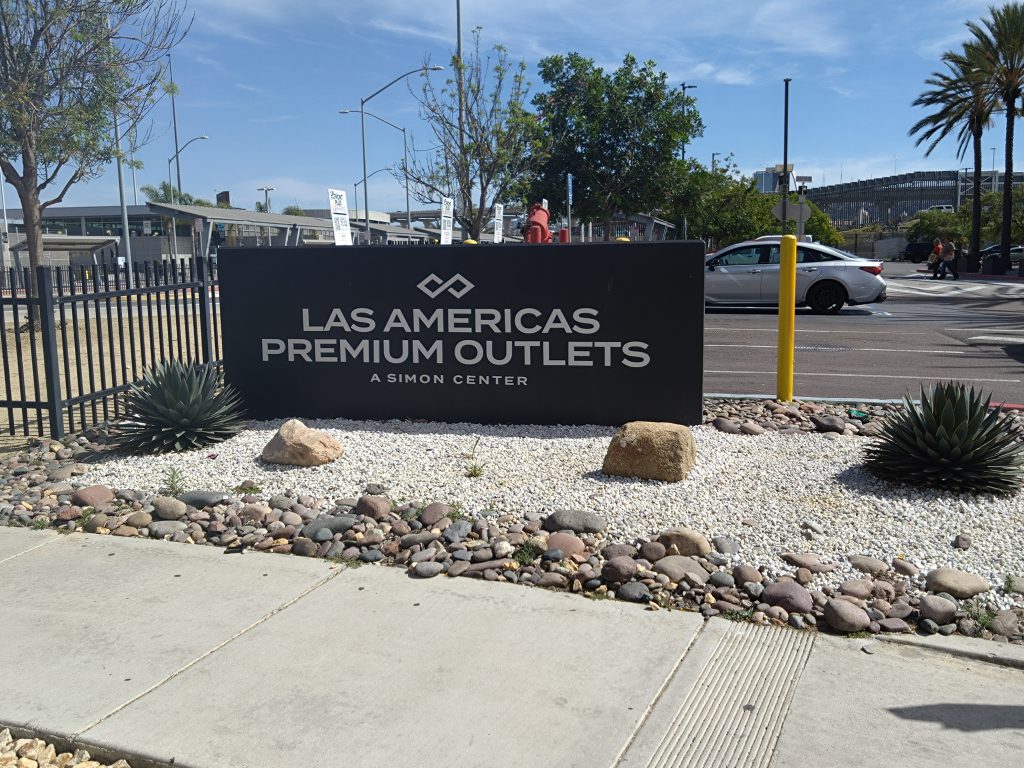
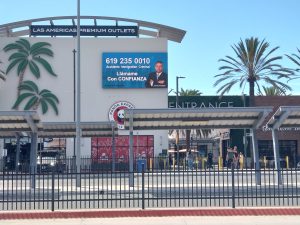
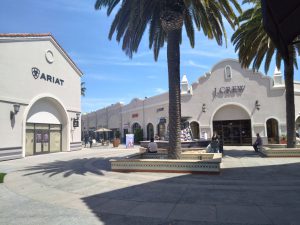
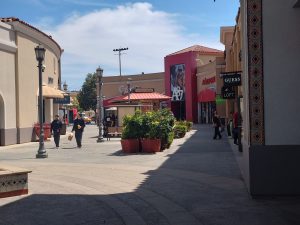

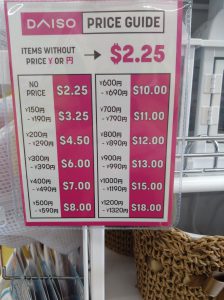
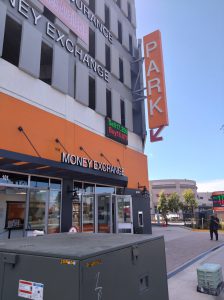
実は国境ゲートのすぐ隣りには広大なアウトレットモールが広がっており、日本の100円ショップ「ダイソー」も入っている(ただし全商品を100円程度で売っているわけではなく、日本の3.5倍くらいの価格で売っているが、それでもアメリカでは非常に安く見える)。このモールの最大の顧客がメキシコから越境してくる富裕層だ。モールの中はスペイン語一色で、すぐそこの国境を越えてくるメキシコ人家族で溢れている。もちろんきわめて厳しいメキシコ側からアメリカへの入国審査をあっさりとパスするわけだから、けっこうな富裕層ばかりでアメリカで不法就労する恐れもないだろう。トランプが築き上げた壁でメキシコからの移民流入を徹底的に排斥し、さらに移民関税執行局(ICE)を動員して国内の不法移民(グレーな部分まで含めて)を強制送還する一方で、こうしたメキシコの富裕層には国境を自由に往来させて自国内での個人消費拡大に活用するという光景には、どうしても妙な矛盾を感じざるを得ない。
直近の資本市場では、すでにポストトランプの世界を見据えた取引が始まっているように見える。共和党の内部でも他の候補者探しに動いているし、最高裁も彼の思い通りにはならなくなってきた。彼にはすでに有罪が決定したものを含めてあまりに多くの訴訟沙汰があり、いったん追い詰められたらかなり悲惨な末路が待っている。世界最強国の大統領として好き放題をしてきたトランプの命運はもう間もなく尽きそうだ。彼が退場すれば新政権はトランプ政策の反作用が動き出すだろうから、国境の様子も変わってくるだろう。今回サンディエゴからメキシコ国境に来て、今後のアメリカと世界の動きをもう一度反芻できたことが最大の収穫だったかもしれない。
Heading South to San Diego Right After Arrival
After a 10½-hour flight from Narita, I arrived at Los Angeles International Airport just before noon. From there, I picked up a rental car and headed south for about 200 kilometers to San Diego.
I’ve visited San Diego several times on business, and it’s always struck me as one of the most peaceful places in California. With its consistently sunny weather and brilliant blue skies, it’s the kind of city where you can always count on seeing surfers riding the waves along the coastline. People often joke that studying English in Seattle can be depressing because of the constant rain, whereas San Diego’s warm, dry climate makes learning English a much more enjoyable experience.
San Diego is also a border city, located just over 20 kilometers from Mexico. Since I was going to spend time in California anyway, I decided to begin my trip here rather than in Los Angeles. Compared with Los Angeles—with its higher prices and more challenging public safety concerns—San Diego seemed like the perfect place to relax and ease into the journey.
The Mitsubishi Eclipse I picked up from Alamo Rent A Car at Los Angeles International Airport would be my companion for the next ten days.
From Los Angeles, it’s about a two-and-a-half-hour drive south to San Diego along Interstate 5, which runs for much of the way beside the Pacific coast.
A family of California ground squirrels appeared at a rest area about 30 minutes from San Diego.
For my stay in San Diego, I chose a neighborhood about a 15-minute walk from Ocean Beach—better known locally as OB. With its cozy cafés, small local shops, and relaxed atmosphere, it felt like an incredibly pleasant place to live, even if only for a few days.
The place itself was a studio apartment I found on Airbnb. It occupied the second floor of a detached guesthouse behind the owner’s tropical-style home. Although compact, the studio was thoughtfully designed and could accommodate up to three beds, making it suitable even for a family.
Each evening, the sunset over the Pacific was clearly visible from the terrace. Sitting there with a cold beer in hand, watching the sun slowly disappear below the horizon, was one of those experiences whose value simply can’t be measured in money.
At around ¥23,000 per night, it felt like an excellent bargain by California standards.
There was, however, one unavoidable drawback. The neighborhood lies directly beneath the flight path to the airport, which is only about two kilometers away, so the roar of arriving aircraft was almost constant throughout the day. Fortunately, flights stopped between about 10:30 p.m. and 6:30 a.m. Without that one inconvenience, it would have been close to the perfect place to stay.
Old Town San Diego: Home of Top Gun and the Frontier of Early California
Among movie fans, San Diego is perhaps best known as the setting of Top Gun, starring Tom Cruise. Anchored in the bay is the aircraft carrier USS Midway (CV-41), which has been preserved as a museum and is open to visitors (admission: $41, about ¥6,600).
Walking along the waterfront, you’ll also come across historic sailing ships, a submarine, and other naval vessels that have been preserved as maritime museums. Combined with San Diego’s bright skies and pleasantly dry climate, they give the city a distinctive character as one of America’s great naval towns.
San Diego was originally one of the frontiers of the American West. As early as 1542—when Japan was still in the Muromachi period—the Portuguese had already reached Japan, while the first Europeans to set foot on what is now the West Coast of the United States arrived in the San Diego area. Later, in 1769, Spain established the first mission in Alta California at what is now Old Town, then part of colonial New Spain (present-day Mexico). This marked the beginning of permanent European settlement in the region, and today Old Town is regarded as the birthplace of San Diego.
In 1850, following the Mexican–American War, San Diego became part of the United States. It was designated one of California’s original 27 counties, marking the beginning of a new chapter in the city’s history.
The photo above shows the streets of Old Town, where the atmosphere of the American frontier blends with unmistakable Mexican influences.
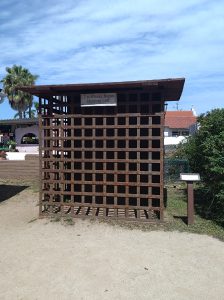
Old Town is also home to The Whaley House, often described as “the most haunted house in America.” In the mid-19th century, local businessman Thomas Whaley purchased the site, which had previously served as the town’s public execution grounds, and built his family home there. It is remarkable enough that anyone would choose to build a residence on land where executions had only recently taken place—and where the remains of the old jail can still be seen today.
Tragically, a series of misfortunes befell the Whaley family after the house was completed. Their 18-month-old son died of illness, part of the house was destroyed by fire, and their daughter, Violet Whaley, later took her own life. Over the years, countless visitors have reported paranormal encounters. Among the best-known alleged spirits are Yankee Jim, who was hanged on the site before the house was built, Thomas and Anna Whaley themselves, and their daughter Violet. The list of reported ghosts seems almost endless.
Even after the deaths of the Whaley family, the building continued to play an important role in San Diego’s history. At various times, it served as the city’s first commercial movie theater, the county courthouse, and a general store. Today, it operates as a museum.
As someone who has always had a fascination with ghost stories, there was no way I was going to miss the tour. Unfortunately, I visited in the middle of a brilliantly sunny San Diego afternoon. Under such dazzling California sunshine, it was impossible to feel even the slightest hint of anything supernatural. Perhaps I should have come back after dark.
America’s Reality at the Mexican Border
San Diego lies just about 20 kilometers from the Mexican border. Throughout the city, you’ll find countless businesses run by Mexican immigrants and cross-border workers, and it’s perfectly normal to hear Spanish spoken in everyday life.
I had driven to the border once before, more than ten years ago during a business trip, when a friend took me there by car. This time, however, as I drove through the border area again, I couldn’t help but notice that the atmosphere felt far more tense than I remembered.
I approached the border from a point some distance away from the main crossing, and what immediately caught my attention was the massive barrier stretching into the distance without the slightest gap. I had seen footage of the border wall countless times on the news as one of the defining symbols of President Trump’s administration, but standing before it in person was far more striking than I had expected.
It gave me an overwhelming sense of having reached the very edge of America—the country’s final frontier, where its ideals, anxieties, and realities converge.
This is the vehicle checkpoint that often appears in movies set along the U.S.–Mexico border. At the intersection just before the crossing, a large sign reading “Mexico ONLY” stands out, directing traffic toward the border. Even on a weekday, there was a steady stream of cars heading into Mexico, with no sign of the line letting up.
Of course, the border isn’t just for vehicles—there is also a pedestrian crossing. The photo above shows the entrance leading to the exit checkpoint for people crossing into Mexico. Since I had never been to Mexico before, I was tempted to step across the border, even if only for a few minutes, just to say I’d been there. In the end, however, I decided against it. I didn’t want to risk running into any complications when re-entering the United States, so I was content to experience the border from the American side this time.
Just beside the border crossing is a vast outlet mall, home to dozens of international brands—including the Japanese discount retailer Daiso. The prices are, of course, nothing like those in Japan; items typically cost around three to four times as much. Even so, by American standards, the store still feels remarkably inexpensive.
The mall’s most important customers are affluent shoppers from Mexico. Inside, Spanish is heard everywhere, and the walkways are filled with families who have crossed the border for a day of shopping. Since they pass through the U.S. immigration checkpoint with little difficulty, they are presumably well-established travelers with little risk of overstaying or seeking unauthorized employment.
Watching this scene, I couldn’t help noticing an apparent contradiction. On one hand, President Trump’s immigration policies sought to dramatically reduce unauthorized migration from Mexico, while U.S. Immigration and Customs Enforcement (ICE) intensified enforcement efforts against people living in the country without legal authorization. On the other hand, affluent Mexican visitors continue to cross the border freely, contributing to consumer spending in the United States. The contrast between restricting some forms of cross-border movement while encouraging others was striking.