
2026冬の記憶/2026 Memories of Winter
Less Snow Than Last Year, with Early Signs of Spring in Mid-February
Every winter, I spend extended periods holed up in my apartment in Echigo-Yuzawa. This year, starting from the New Year holidays, I followed a cycle of staying in Yuzawa for two weeks and then returning to Tokyo for one week.
Since I made many “snow friends” last year, I also purchased a season pass to the Kagura–Mitsumata ski resort, and as a result, I spent a significantly longer time in Yuzawa enjoying the snow than in previous years.
However, the snow conditions fell far short of last year, which saw the heaviest snowfall in 20 years. The peak came in early February, after which signs of spring quickly began to take over.
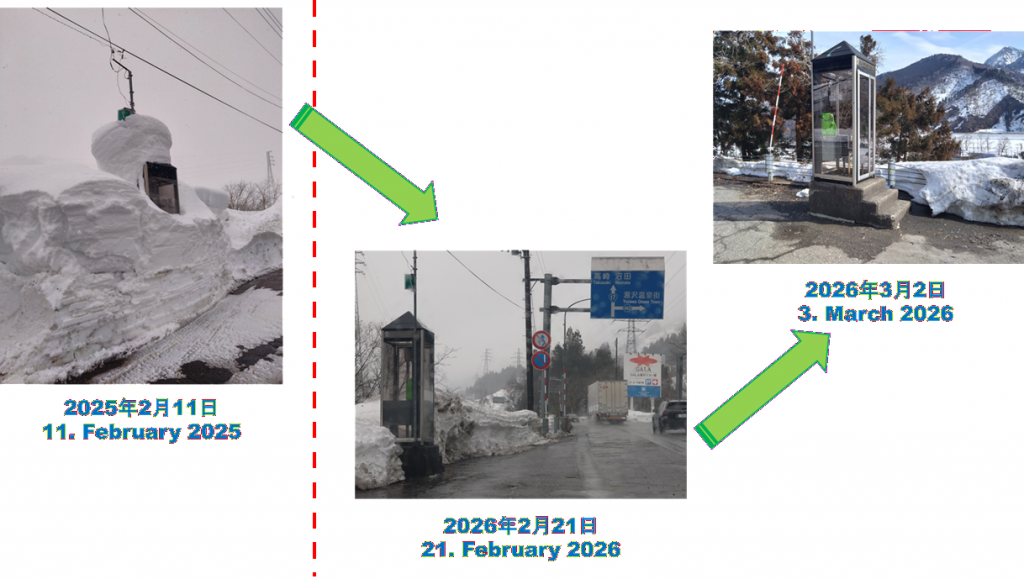
I use a telephone booth located along National Route 17, directly below Gala Yuzawa, as a fixed observation point. As the photos below show, the difference from the previous year is unmistakable.
(English text continues to the latter half of the page)
昨年の雪には及ばず、しかも2月中旬に訪れた春の気配
毎年冬の間は越後湯沢のマンションに長期間こもっている。今年は年末年始に始まって、2週間湯沢に滞在しては1週間東京に戻るサイクルを繰り返していた。昨年から“雪友達”がたくさんできたこともあって、かぐらみつまたスキー場のシーズンパスも購入してこれまでに比べるとかなり長い期間を湯沢で雪とともに過ごした。
ただ雪の状態は20年ぶりの豪雪だった昨年には遠く及ばず、2月上旬までがピークでその先は急速に春の気配が強まってしまった。国道17号線沿いでガーラ湯沢の真下にある電話ボックスを自分は定点観測値に使っているが、下の写真を見れば前年との差は明らか。
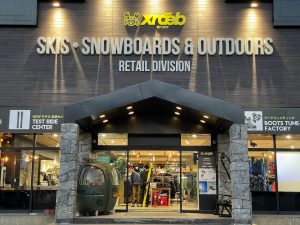
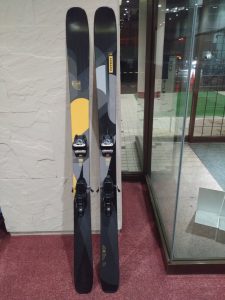
それでもシーズンパスでかぐらみつまたスキー場を何度も堪能したほか、雪の状態を見ながら周辺のスキー場や、長野県まで遠征したりして例年にない充実した冬を過ごすことができた。さらに一緒に滑る友人たちがあまりに楽しそうに新雪を楽しんでいるものだから、自分も湯沢のスポーツ店で衝動的にパウダー用のファットスキーを買ってしまった!ちょうど東京でその2週間前に買った55インチTVとほぼ同じ価格。
さらに家でずっと留守番していたヨメがさすがに反乱を起こし、これを納めるため、大谷翔平の試合を見せるためにロサンジェルスに連れていくことに。思う存分楽しんだ冬ではあったけど、結果としてずいぶん高くついた年になった。
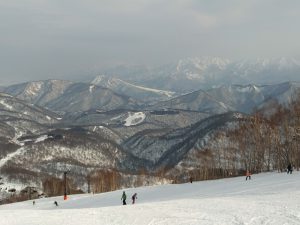
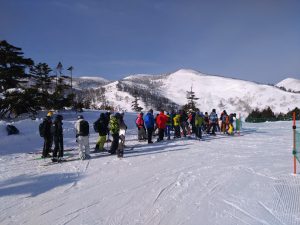
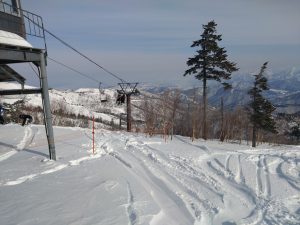
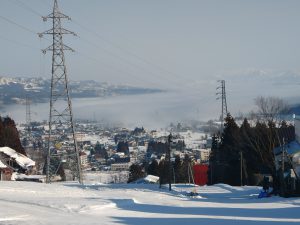
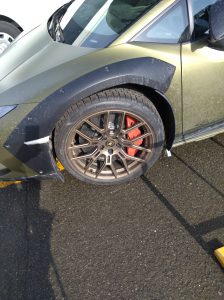
みつまたスキー場の駐車場でランボルギーニウラカンを発見!カスタマイズしてあるから4,000万円くらいか。ランボルギーニがスタッドレスタイヤとルーフキャリアが積めることを初めて知った。ちなみに相模ナンバーだった。

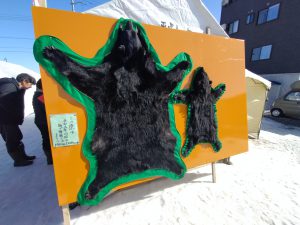
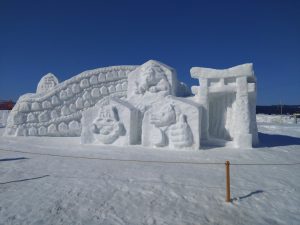
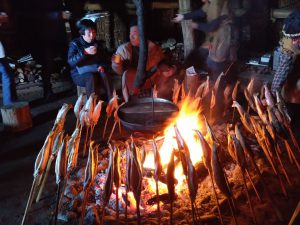
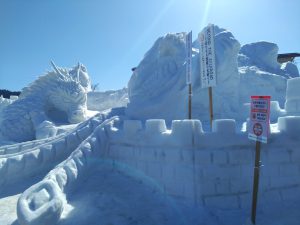
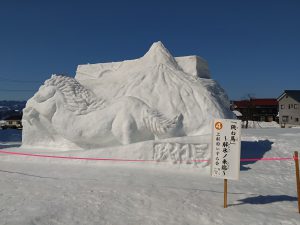
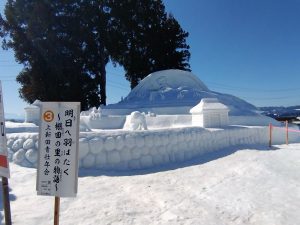
下の写真は2月22日の十日町雪まつりの様子。
オーストラリア人が遂に“越後湯沢”を発見か⁉
久しぶりに越後湯沢のマンションを訪れてものすごく驚いたのは、外国人の滞在者が非常に増えていたこと。これまでは中国人のオーナーが数名いたほかは、1組のオーストラリア人夫婦がいただけだったのが、今年はそこら中で英語の会話が聞こえてくる。この20年間でこんな日が来ようとは想像もできなかった。
ざっと話を聞いた限りでも、多数派はオーストラリア人だが、他にもニュージーランド、アメリカ、カナダ、さらにはチリから来た人までいた。そのうちの一部は最近になって部屋を購入したり、あるいは友人がオーナーであったり、あるいは外国人向けのインストラクターをしていて所属するスキー学校が部屋を所有している、などの背景でリゾートマンションに滞在していた。なかにはまだ20代と思しきユタ州(アメリカ)から来たJ君は、アメリカの不動産を売る仕事をしていて、アメリカ時間に合わせて毎朝明け方からWifiのあるロビーで電話をかけまくり、それが終わると午前中からスノーボードという生活を送っていた。このように在宅ワークがグローバルに可能になったという環境変化とともに、日本市場での海外スキーヤーのフロンティアであるオーストラリア人が、ニセコ、白馬、野沢温泉に続いて遂に『越後湯沢を発見した』ということも言えるのではないか。北海道のニセコがすっかりオーストラリアの植民地そのものになってしまったのを見て、長野県の白馬や野沢温泉に多くの外国人観光客が流れてきた。こうした中で越後湯沢を冬季に訪れる外国人観光客の大多数は台湾人やタイ人で、白人の姿はかなり少なかったが、今年は見た目で明らかな変化がある。
考えてみれば、バスに頼るしかない白馬や野沢温泉に比べて、東京から新幹線で70分で行けて、昔ながらの温泉街があり、さらに隣りの南魚沼市と合わせれば20か所もの個性あるスキー場が存在する越後湯沢地域がこれまで見落とされていた方が不思議だ。しかも越後湯沢にはニセコや白馬にはない際立った特徴がある、街中に溢れるリゾートマンションだ。直近で人口8,300人余りの湯沢町には、バブル崩壊以降58棟15,000室あまりのリゾートマンションが建設され、その大部分が捨て値同然の価格に陥っている。スキー場に歩いて行けるところに購入できるマンションが10万円単位であるなら、これはオーストラリア人にはほぼタダ同然と言える。購入するマンションは潤沢にあるわけだから、今後はさらにオーストラリア人によるリゾートマンションの購入が増え、凍りついていたマンション価格にも大きな変化が現れることを期待したい(過去記事「凍りついていた市場が動き出す?越後湯沢のリゾートマンションに小さな変化が」)。
さかえ倶楽部スキー場で起きたスキー人生最大のトラブル
さかえ倶楽部スキー場というスノーリゾートがある。新潟と長野の県境、長野県の北端に位置する栄村の山中に開けた小さなスキー場だ。ちなみにこの栄村は2011年3月12日に発生した長野北部地震の中心で村全体が甚大な被害を受けたにも関わらず、その前日の東日本大震災に世間の耳目が集中し、発災後の援助が大幅に遅れてしまった悲劇の土地でもある。その栄村が運営するさかえ倶楽部スキー場はリフトが3本だけのアットホームで非常に小さなスキー場だが、最近になってスキーヤー、スノーボーダーの間で話題にのぼるところでもある。
このゲレンデはパウダースノーファンのために、上級者ゲレンデはできるだけ圧雪を行わず、フレッシュなパウダースノーを楽しめるように常に工夫を凝らしていることが知られている。おそらく村民スタッフの中にパウダーフリークがいるのだろう、Japow(Japan Powder)が世界的に知られてきた現代において、実にタイムリーで話題を集めそうな経営努力をされている。自分も昨年春にこのスキー場のメディア記事を読み、さらに同じマンションに住むオーストラリア人夫婦にも翻訳した記事を送ったところ、パウダーフリークの彼だけに「来シーズンはぜひ訪ねてみよう」と力強い興味を示した。彼はオーストラリアでボードの製造・販売を行う会社の経営者であり、その界隈ではそれなりの影響力を持つ人物だ。今年の2月にさかえ俱楽部スキー場を3名で大きな期待を持って訪れた背景には、こういった経緯があった。
下のゲレンデマップがさかえ俱楽部スキー場だ。リフトは3本だけで平日は2本しか稼働していない。下のスロープがファミリーゲレンデで、1本リフトを昇って上のゲレンデが中上級のスロープで、平日はできるだけ圧雪せずに未整備のパウダーを体験してもらうというというのがウリだ。初めて訪れた場所だったが、リフト券を買った時にはフロントデスクの「上のゲレンデは林間に入っても大丈夫ですよ」と言う言葉に心が躍った。
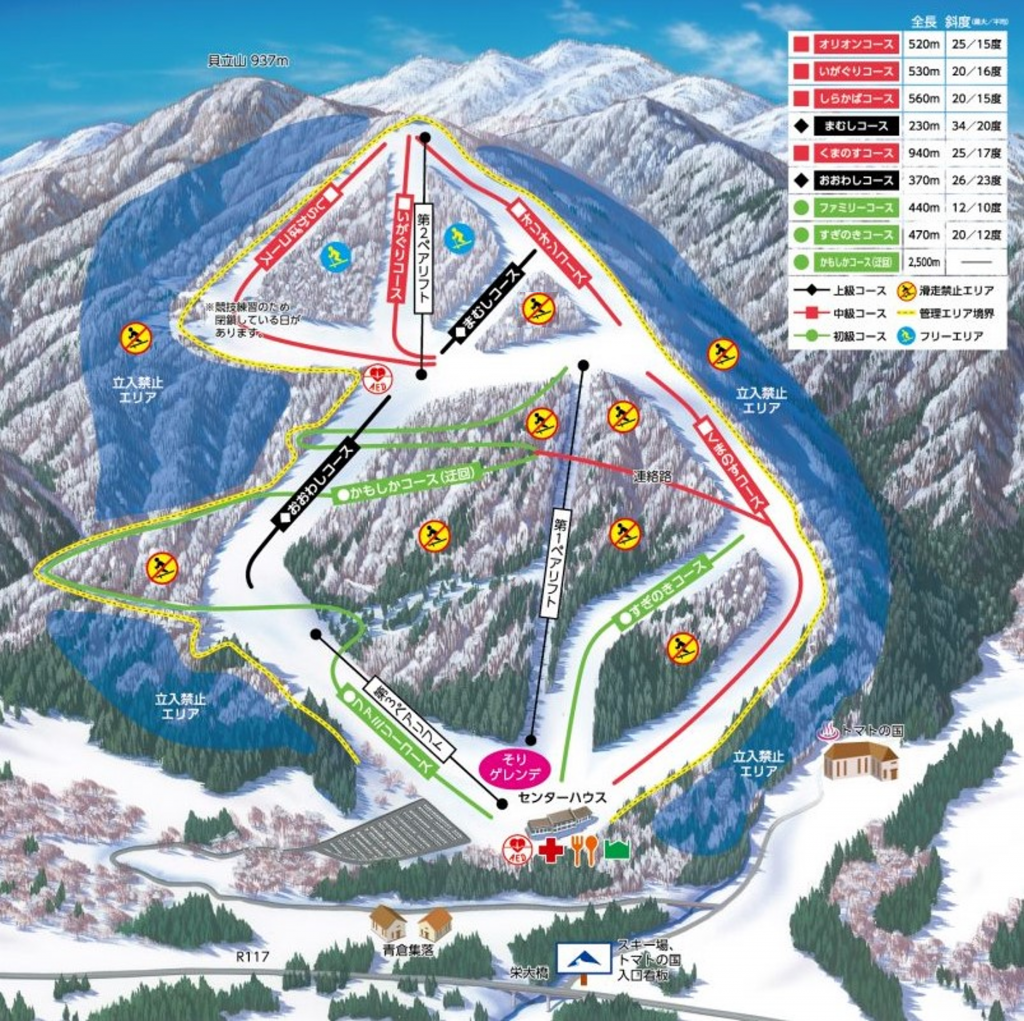
(出所)ゲレンデマップはスキー場HPより
実際に滑ってみた日は降雪があってから2日ほど経っていたので、フレッシュな粉雪とは言えないまでも、大雪が降った翌日に来たらこれは最高のコンディションだと空想させるに十分だった。一緒に来たオーストラリア人夫婦(MとD)も非常に気に入り、今後の気象予報をしっかり見究めたうえでまた戻ってこようと話していた。
<陰湿極まりない形でスキーパトロールが接近>
ところがここで思いもしないトラブルが降りかかってきた。上のゲレンデで何度かリフトに乗っていると、降り場で待ち構えている人間が2人いる。こちらを呼び止めてスマホで撮った動画を見せて「ここでコース外に出ているのはあなたですよね、こちらには証拠映像がありますし、ここでの会話も全部録音してあります。あなたのリフト券を没収する判断はすべてこちらにあります。」といきなり恫喝に入る。確認したところスキーパトロールだというので、ものすごく驚いた。スキーパトロールであればコース外に出たその時に注意すればいいはず。その場では黙って“盗撮”をしておいて、逃げ場のないリフト降り場(上のゲレンデには1本しかリフトがない)で待ち伏せしてパフォーマンスをするなんて陰湿な真似をする必要なんてない。瞬間的に思い起こしたのは、ラブホテルの前で出てきた男の写真を盗撮し、家まで尾行してから浮気写真をネタに恐喝するチンピラヤクザのやりくち。実際にリフト降り場でニタニタしながら近づいてきた2人組を見た時には、てっきり地元のチンピラが小遣い稼ぎをしているのかと感じただけに、本当のスキーパトロールと聞いてものすごく驚き進行中の現実に理解が追いつかなかった。スキーパトロールの役目は、客が危険な目にあったり、事故を起こしたりしないように監視することだが、このパトロールに感じたのはスキー場の安全などよりも、客をカモにして自分のカタに嵌めてやるという強烈な自己顕示欲と他者への支配欲だった。そもそもいったいどこでこの盗撮動画を撮ったのか(どこでコース外に出たのか)を全く説明できない。別にバックントリーに出たわけでもなく、どこもロープが張ってあるわけでもなく、それでも初めて来たゲレンデだけに雪にスキーのトレイルがついているところだけを選んで滑っているのに、具体的にどこがコース外だったのかを聞こうとすると、お前の態度が気に食わない、いつでもこっちはリフト券を没収できるんだぞ、と恫喝しかしない。とは言っても、こちらが初めてでよくわからなかったからこれから気を付けると言って、こちらの方から下手に出てその場は分かれた。本人は説教パフォーマンスができなくて残念そうだったけど。
<同行者まで同じ目に、パトロールの個人的暴走が止まらない、名前を求めたらリフト券を没収>
そこから何本かコース内を滑ってリフト乗り場に戻ってくると、オーストラリア人のMが待っており、まったく同じことをスキーパトロールにされたと言う。ところが一体どこがコース外だったのか、まったくわからないので、そこにいるスキーパトロールに聞いてほしいと言う。リフトの乗り場横で待機していた(あるいはカモを待っていた?)先ほどの二人組に(この二人組の中でやたらに威勢よく恫喝してくるのは一人だけで、もう一人は舎弟よろしく、ずっと黙ったまま、なにか田舎ならではのヒエラルキーでもあるのか)、ちょっと納得できないから教えてほしい、と話しかけ、彼らは英語は一言も分からないのでこちらが逐一通訳する形で説明してもらう。ところがこちらが英語で話しあっているのを見て、おそらく自分の悪口でも言われていると思い込んだのかみるみる機嫌が悪くなる。そのうちに「俺を侮辱した、弁護士を呼んでくる」、「警察を呼ぶぞ」などと脈絡のない暴言が続いたため、彼に名前を名乗るよう求めたところ頑として名前を言わない。それでも名前を求めたら、お前のリフト券を没収する、と言い出し、これを聞いたMも横から「俺のために聞いてくれたのに、俺の友人にバカなことをするのはやめてくれ」と抗議するが、頭に血が上ったのかまったく聞く耳を持たない。はったりとは言え、やたらに警察やら弁護士やら訴訟を起こす、などというパワーワードを連発するのは、権威に弱く自分に自信のない人間と言うのは衆目の知るところだが、この時点で彼の人間性が確実に見て取れた。それにしても根本的におかしいのは、スキーパトロールがリフト券を没収する権限を発揮するのは、危険な行為をしたスキーヤーをその場で捕まえて、さらにそれ以上の危険を冒す確信がある時だけであり、こちらから質問に赴いたところを、お前の態度が気に食わない、と自分の気分で没収できるわけがない。本人はゲレンデの独裁者のつもりでいるようだが、もちろんそんな簡単な道理も分からないほどに本人は判断力を失くしている。
それならばリフトには乗らずに下のフロントサービスにリフト券を返却する、もしどうしてもリフト券を没収したいのならば名前を名乗ってほしい、と言ったが、それでも名前を隠そうとする(その後、仲間とのやり取りを聞いて、彼がKという珍しい苗字だと分かった)。さらに自分の名前は絶対に名乗らないのに、こちらには「そっちの名前と連絡先を、身分を証明するものと一緒に提出しろ」と迫る。永久出入り禁止にしてやるとでも言いたいのか。もうまったく話し合う余地もないので「下のフロントサービスに降りるので、話があればそこで」とMとDを促してスロープを降りる。そうしたらKともう一人のパトロールが後ろから「いいかげんにしろ!警察を呼んだぞ!」と罵声を浴びせながら追いかけてくる。最大斜度32度でさらに初心者迂回コースと何度も交差する上級者スロープでスキーチェースを仕掛けて、事故でも起きたらこのKはパトロールとしてどうやって責任がとれるのだろう。そもそも警察に電話して何を訴えるつもりなのか、「僕の言うことを聞かないやつがいます」と言って警察官を出動させるつもりなのか。そんなものはただの迷惑電話でしかない。そういった彼のウソとはったりから生み出される異常行動のツケは彼ではなく、スキー場が払うことになるのに。
<スキー場のマネージャーと話し合い、全額返金に応じてもらう>
事故の危険があるので、スロープの途中で止まりリフト券をKに渡し、すぐに麓のフロントサービスまで降りる。するとKがすぐに先回りして、フロントにいた従業員全員を奥のドアの向こうに引っ張って行ってしまう。客が来たらどうするつもりなんだろう。何をしているのかは十分に憶測がつく。相手より先に自分に都合のいい話だけを流して身内で根回し、隠蔽、このKのやることには何一つとして毅然としたものがない。しかしそれでもフロント前に3人で居座って、声をあげていたのでようやく中からマネージャー職の方が出てきて別室で話をさせてもらうことに。何とそこにKまでまるで他人事のようにニコニコしながらついて来ようとしたが、もちろん話し合いの場から外してもらう。
話し合いを始めてまずMが「あなた方は外国からの客を追い出そうとしているのか、このKの行動は異常で、自分の大事な友人にここまで理不尽な無礼を働いたKを絶対に許さない。まず今日のリフト代の全額返金を要求する。」と切り出す。自分からも本来のスキーパトロールからかけ離れた異常行動を逐一説明する。結論から言うと、このマネージャーはきわめてまともな方だった。クレームを聞くときには、まず顧客側に言いたいだけ言わせるというカスタマーマネジメントの基礎もしっかりわきまえているようだった。彼の最初の言葉は「もう一度チャンスをいただけませんか」というもの、Kの異常行動と誤りを無条件に認めてくれるものだった。あるいは彼の人格自体がすでに職場では問題になっていたのかもしれない。その場でスキー場の支配人にも話を通し、リフト代金の全額返金にもすぐに応じ、さらに地元の土産物まで持ってきてくれた。Kの行動についても本人にしっかりと自覚させ、研修を受けさせる努力などもしてくれるという。Mは日本語は出来ないまでも会社を経営しているだけに、人間を見る能力に優れており、逐次通訳を経ながらこのマネージャーの言葉だけでなく仕草や行動を観察していた。その結論としては、彼自身は顧客に対して非常に真摯な態度をとっており、問題解決に向けて最大限の努力をしているというもの。Kという変質者的行動を見せる個人がいたものの、スキー場の組織自体が非常に公正であったことに救いを見た思いだった。とは言え、マネージャーとの話し合いを無事に終えて、建物を出ていこうとするときに、他の従業員がお辞儀をする中に問題の張本人のKがいかにも他人事のようにニコニコしながら立ってこちらを見送っていたのを見た時にはぞっとした。真っ先に『演技性人格障害』という言葉が頭に浮かんだ。
<高い志を持ったスキー場、個人の異常行動で潰してはならない>
さかえ倶楽部スキー場は志の高い組織だと感じる。こう言っては失礼だが、バスも通っていないこんな辺鄙な場所にあるきわめて小さな村営スキー場が、スタッフの工夫と努力によってユニークなパウダースノー天国としての魅力が発信されつつある。先にも書いたが、自分が昨年春にこのスキー場について書かれた記事を読み、それを翻訳してMに送ったことで今回の初訪問につながった。片田舎の小さなスキー場で積み重ねた努力が海外にまで発信されて、オーストラリアからの来日と訪問が実現する、これは一つの奇跡なんじゃないかと感じる。もちろんこれ自体は取るに足らないちっぽけな奇跡かも知れないが、こうした無数の小さな奇跡が積み重なって『パウダースノーの聖地、さかえ倶楽部』というブランド価値が形成されていくのではないか。そうした中で特定のスキーパトロール個人による自己顕示欲と支配欲という変質者的行動でそのブランドをぶち壊すようなことは決してあってはならない。何しろ白馬や野沢温泉のような広大なスキー場と違って、さかえ倶楽部の売りである上級者ゲレンデにはリフトが1本しかなく、いったんパトロールに眼をつけられたら逃げ場がない。
本州の辺境にある小さな村営スキー場が、魅力あるユニークなスキーリゾートとして世界中から訪問客が訪れるようになれば、これほど痛快で夢のある話はない。さかえ倶楽部にはこれからもぜひ工夫と努力を重ねて“辺境の聖地”としてのブランドを確立してほしいし、そのために人材の使い方にも細心の注意と決断を計ってほしい。少なくともK以外で、このスキー場で出会ったフロントの方々、マネージャーの方などは非常にまともで、それぞれの職場に適性を持った方々だった。
<異常な行動を産みだすコンプレックスの源泉は?>
スキー場を後にして3人で今更ながらに、Kの異常行動について話した。スキー場によってはきわめて厳格なところもあることは知っているが、ゲレンデやスキー客の安全確保ではなく、個人的欲望で訪問客をカタに嵌めようとしているのは見たことが無い。彼の相手をしている時点で頭に浮かんだのは、自分を実態以上に大きく見せるために、虚言を弄したり、自分以外の誰かに成り切ったような演技をしてみせる症状だ。その根源となるコンプレックスはどこにあるのか。自分は精神科医ではないので、あえて深く踏み込んだりはしない。ただその後判明した二点のみを挙げておく。
1. 輝かしいスキー人生は見えてこない
自分は欧州での生活が長く、いつも通っていたオーストリアのスキー場に行くと、スクールやパトロールの中にはワールドカップの常連がたくさんいた。小さいとはいえスキー場のパトロールをしていれば、過去に高校や大学選手権の上位入賞などの記録でもあるのかと調べてみたら、輝かしい記録のようなものは何も見えず、いくつかのローカル大会での、ここでは可哀想でとても開示できないような成果しか見当たらなかった。こうしたキャリアでスキー場の専門職をやっていれば、かなり心理的にきついものがあるだろう。
2. 親族は地方の名士?
Kという苗字は日本人としては非常に珍しいものだが、実は同じ苗字を持った人間が、近隣の町の町議会議長に就いていた。歳のころと言い、なによりも顔がそっくりで、ひょっとしたらKはこの町議の親族の可能性がある。小さな町の町議とは言え、いわば“地方の名士”。このKがスキー場と言う組織の中でどうしてここまであからさまなスタンドプレイができるのか、スキー場側は何を遠慮しているのか、すごく不思議だったけど、ひょっとしてこのことが影響していて情況を変えられないのだとしたら、スキー場にとっても訪れるスキー客にとってもこれほど不幸なことはない。
(ただ、Kと言う苗字は日本全国では珍しいとは言え、この近隣の町には集中してこの苗字の住民が住んでおり、必ずしも直接的な関係があるのかは不明確)
これら二つの事柄がどのように影響して、現実のKの行動につながっているのかは個々の想像に任せる。
自分はさかえ倶楽部スキー場も、そこで働く個人も、ともに前を向いて進化してほしい。
Less Snow Than Last Year, with Early Signs of Spring in Mid-February
Every winter, I spend extended periods holed up in my apartment in Echigo-Yuzawa. This year, starting from the New Year holidays, I followed a cycle of staying in Yuzawa for two weeks and then returning to Tokyo for one week.
Since I made many “snow friends” last year, I also purchased a season pass to the Kagura–Mitsumata ski resort, and as a result, I spent a significantly longer time in Yuzawa enjoying the snow than in previous years.
However, the snow conditions fell far short of last year, which saw the heaviest snowfall in 20 years. The peak came in early February, after which signs of spring quickly began to take over.
I use a telephone booth located along National Route 17, directly below Gala Yuzawa, as a fixed observation point. As the photos below show, the difference from the previous year is unmistakable.
Even so, thanks to my season pass, I got to enjoy the Kagura–Mitsumata ski resort over and over again. I also checked the snow conditions and made trips to nearby resorts, and even ventured as far as Nagano. All in all, it turned out to be a far more fulfilling winter than usual.
On top of that, seeing my friends having so much fun riding fresh powder made it impossible to resist—I ended up impulsively buying a pair of fat skis for powder at a local sports shop in Yuzawa!
And the price? Almost exactly the same as the 55-inch TV I had bought in Tokyo just two weeks earlier.
Meanwhile, my wife—who had been left at home the whole time—finally had enough and staged a bit of a rebellion. To make peace, I ended up taking her to Los Angeles so she could watch Shohei Ohtani play.
It was a winter I enjoyed to the fullest, no doubt—but in the end, it turned out to be quite an expensive one.
Spotted a Lamborghini Huracán in the Mitsumata ski resort parking lot! With all the customizations, I’d guess it was worth around ¥40 million.
It was the first time I realized a Lamborghini can actually run on winter tires—and even carry a roof rack.
And just for the record, it had a Sagami license plate.
Photos below are from Tookamachi Snow Festival on 22. February.
Have Australians Finally Discovered Echigo-Yuzawa?!
When I visited my apartment in Echigo-Yuzawa for the first time in a while, what surprised me most was the dramatic increase in foreign residents. In the past, aside from a few Chinese owners, there was only one Australian couple—but this year, you can hear English being spoken everywhere. I never imagined I would see a day like this over the past 20 years.
From the conversations I had, Australians clearly make up the majority, but I also met people from New Zealand, the U.S., Canada, and even Chile. Some had recently purchased units, others were staying in apartments owned by friends, and some were working as ski instructors for international schools that own properties in the building.
One particularly memorable case was a guy in his twenties from Utah. He works in U.S. real estate, waking up before dawn to make calls from the Wi-Fi-equipped lobby to match U.S. business hours—then heading out to snowboard in the morning. Stories like his really highlight how remote work has gone global.
At the same time, it feels like Australians—long the pioneers of overseas ski travel in Japan—have finally “discovered” Echigo-Yuzawa, following Niseko, Hakuba, and Nozawa Onsen. After Niseko in Hokkaido effectively became an Australian enclave, foreign tourists spread to Hakuba and Nozawa. Until recently, most winter visitors to Echigo-Yuzawa were from Taiwan or Thailand, and Westerners were relatively rare. But this year, the change is obvious at a glance.
Come to think of it, it’s almost surprising that Echigo-Yuzawa had gone unnoticed for so long. Compared to places like Hakuba and Nozawa, which rely heavily on buses, Yuzawa is just 70 minutes from Tokyo by Shinkansen, has a charming old-style hot spring town, and—together with neighboring Minamiuonuma—offers around 20 unique ski resorts.
What truly sets Echigo-Yuzawa apart, however, is something Niseko and Hakuba don’t have: an abundance of resort apartments. In the town of Yuzawa, with a population of just over 8,300, around 58 buildings totaling more than 15,000 units have been built since the bubble era—and many of them have fallen to near throwaway prices.
If you can buy an apartment within walking distance of a ski resort for what amounts to just a few hundred thousand yen, it’s practically free for Australians. With such an ample supply of properties, it wouldn’t be surprising to see more purchases by Australians going forward—and perhaps, finally, some movement in what has long been a frozen market.
The Worst Incident of My Skiing Life at Sakae Club Ski Resort
There’s a small ski resort called Sakae Club Ski Resort, tucked away in the mountains of Sakae Village, right on the border between Niigata and Nagano, at the northern tip of Nagano Prefecture.
Sakae Village is also known for a tragic reason. It was the epicenter of the Northern Nagano Earthquake on March 12, 2011, which caused severe damage throughout the village. However, because it occurred just one day after the Great East Japan Earthquake, public attention was overwhelmingly focused elsewhere, and relief efforts were significantly delayed.
The resort itself, operated by the village, is tiny and very homey, with only three lifts. Recently, though, it has started to gain attention among skiers and snowboarders.
What makes this place special is its approach to powder snow. The advanced runs are intentionally left ungroomed as much as possible, allowing visitors to enjoy fresh powder. You can tell there must be some real powder enthusiasts among the local staff—especially now that “Japow” (Japan powder snow) has become globally recognized, their efforts feel perfectly timed and likely to draw more attention.
I first came across this resort in an article last spring, and I even shared a translated version with an Australian couple who live in the same apartment building as me. The husband, a true powder fanatic, immediately said, “We have to go there next season.”
So, this February, the three of us finally made the trip to Sakae Club Ski Resort with high expectations.
As you can see from the trail map below, the resort has just three lifts—only two of which operate on weekdays. The lower area is a family-friendly slope, while taking one lift up brings you to the upper runs, which are geared toward intermediate to advanced skiers. The main attraction is that these upper slopes are left ungroomed as much as possible during the week, offering a true powder experience.
It was my first time visiting, and when I bought my lift ticket, the staff at the front desk casually mentioned, “You’re allowed to go into the tree runs up top.” That alone was enough to get my excitement going.
Trail map courtesy of the ski resort’s official website
By the time we actually hit the slopes, it had been about two days since the last snowfall. So while it wasn’t exactly fresh powder, it was still good enough to make you imagine just how incredible the conditions would be if you came the day after a big dump.
The Australian couple I came with—M and D—absolutely loved it. They were already talking about coming back again, this time carefully watching the weather forecast to catch it at its best.
<A Disturbingly Sneaky Approach by Ski Patrol>
Out of nowhere, an incident I never could have expected unfolded. After riding the lift a few times on the upper slopes, I noticed two people waiting at the top. As soon as I got off, they stopped me and showed me a video on their phone.
“You’re the one going off-piste here, right? We have video evidence. We’re also recording this entire conversation. We have full authority to confiscate your lift pass.”They jumped straight into intimidation mode. When I asked who they were, they said they were ski patrol—which honestly shocked me.
If they were ski patrol, shouldn’t they have warned me on the spot when I allegedly went off-course? Instead, they silently filmed me without saying anything, then lay in wait at the lift exit—the only way down from the upper slopes—and ambushed me. There was absolutely no need for such a sneaky setup.
What came to mind in that moment was a shady tactic you’d expect from street-level extortionists—secretly taking photos in front of Love hotel (Japanese Sex-inn), following someone, and then confronting them later with “evidence.” When I first saw the two of them approaching with smirks at the lift exit, I honestly thought they were just local thugs trying to make some easy money. So hearing that they were actually ski patrol was genuinely shocking, and it took me a moment to process what was happening.
Ski patrol is supposed to ensure safety and prevent accidents. But what I felt from them wasn’t concern for safety—it was a strong desire to assert authority and control over others, as if they were trying to trap customers on their own terms. To make matters worse, they couldn’t even clearly explain where exactly I had gone off-course or where the video had been taken. It’s not like I went into the backcountry—there were no ropes or clear boundaries—and since it was my first time at the resort, I had been careful to follow visible ski tracks in the snow.
When I tried to ask for specifics, all I got back was more intimidation: “I don’t like your attitude. I can confiscate your lift pass anytime.”
In the end, I backed down and said that since it was my first time, I’d be more careful going forward. That seemed to disappoint them—they clearly wanted to put on more of a preaching—but we left it there.
<Even My Companions Targeted—A Ski Patrol Gone Rogue>
After that, I took a few more runs staying strictly within the marked course and returned to the lift base, where M—my Australian friend—was waiting. He told me he had been subjected to exactly the same treatment by ski patrol.
The problem was, he had no idea where he had supposedly gone off-course, so he asked me to help him speak to the patrol and get a clear explanation. The same two guys were still standing by the lift—waiting around (or perhaps waiting for their next target?). Of the two, only one did all the aggressive talking, while the other stayed completely silent, almost like a subordinate. It felt like some odd, small-town hierarchy at play.
I approached them and said we just wanted a proper explanation. Since they didn’t understand a word of English, I had to interpret the conversation. But as soon as they saw us speaking in English, the aggressive one’s mood visibly worsened—perhaps he assumed we were talking badly about him.
Before long, he started throwing out completely unrelated threats:
“You insulted me—I’ll call a lawyer.”
“I’m calling the police.”
Then he escalated further: “I’m confiscating your lift pass.”
Hearing this, M stepped in and protested, “He’s only asking for me—don’t punish my friend for that.” But the guy was clearly too worked up to listen.
Bluffing with words like “police,” “lawyer,” and “lawsuit” in rapid succession is often a telltale sign of someone insecure and overly reliant on authority—and at that point, his personality became painfully clear.
More fundamentally, though, something was clearly wrong. Ski patrol should only exercise the authority to confiscate a lift pass when they catch someone in a dangerous act and believe further risk is imminent. There’s no way they can just decide to take it away based on personal dislike of someone’s “attitude,” especially when we approached them simply to ask a question. He seemed to think of himself as some kind of dictator of the slopes—but in reality, he had clearly lost all sense of judgment.
At that point, I told him we would not take the lift again and would instead go down to the front desk to return the pass ourselves. I also asked him to give us his name if he insisted on confiscating it. He flatly refused (though later, from his colleagues, I learned his rather unusual surname started with “K”).
Despite refusing to identify himself, he demanded that we provide our names, contact details, and ID. Perhaps he intended to ban us permanently. Either way, it was clear there was no room for any reasonable discussion. So I told M and D, “Let’s go down to the front desk—if they want to continue this, we can talk there,” and we started skiing down.
That’s when K and the other patrol started chasing after us from behind, shouting, “Enough of this! I’ve called the police!”
On an advanced slope with a maximum gradient of 32 degrees—and one that repeatedly intersects with beginner detours—they decided to initiate what was essentially a ski chase. If an accident had happened in that situation, how exactly did K intend to take responsibility as ski patrol?
<Meeting with the Resort Manager—A Full Refund Secured>
Concerned about the risk of an accident, we stopped midway down the slope, handed over our lift passes to K, and made our way down to the front desk. But as soon as we arrived, K rushed ahead of us and pulled all the staff behind a door in the back. It made you wonder—what were they planning to do if customers showed up?
It wasn’t hard to guess what was going on. He was clearly trying to get his version of the story across first, laying the groundwork internally and controlling the narrative. There was nothing straightforward or transparent about anything K did.
Still, the three of us stayed put at the front desk and raised our voices until finally a manager came out and agreed to speak with us in a separate room. Surprisingly, K tried to follow us in, smiling as if none of this had anything to do with him—but of course, we made sure he was excluded from the discussion.
Once we sat down, M immediately opened with:
“Are you trying to drive away foreign guests? K’s behavior is completely abnormal. I will not tolerate the way he treated my friend. First, I demand a full refund for today’s lift tickets.”
I then explained, point by point, just how far K’s actions had deviated from what ski patrol is supposed to be.
To get straight to the conclusion—the manager we spoke with was extremely reasonable. He clearly understood the basics of customer service: let the customer fully express their concerns first. His opening words were, “Could you please give us another chance?” He acknowledged K’s inappropriate behavior without hesitation.
Perhaps K had already been a problem within the organization. In any case, the manager quickly escalated the matter to the resort director, agreed to a full refund on the spot, and even brought us some local souvenirs as a gesture of goodwill. He also promised to make sure K fully understood the seriousness of his actions and would undergo proper training.
M, despite not speaking Japanese, is a business owner and has a keen eye for people. As I interpreted, he carefully observed not just the manager’s words but also his demeanor and behavior. His conclusion was that the manager was genuinely sincere and doing everything possible to resolve the issue.
So while there was one individual—K—whose behavior was deeply troubling, it was somewhat reassuring to see that the organization itself was fundamentally fair.
That said, as we finished the meeting and were leaving the building, something unsettling happened. While the other staff bowed politely, K was standing among them, smiling as if he were completely uninvolved, watching us leave.nAt that moment, the phrase “histrionic personality disorder” flashed through my mind.
<A Resort with Vision—Don’t Let One Individual Destroy It>
I truly believe Sakae Club Ski Resort is an organization with a strong sense of purpose. It may sound harsh to say this, but for such a small, village-run resort in a remote location with no direct bus access, it is remarkable how the staff’s creativity and dedication are beginning to establish it as a unique powder snow destination.
As I mentioned earlier, it was an article I read last spring—and later translated and shared with M—that led to this very trip. The idea that the steady efforts of a small, rural ski resort could reach across borders and bring visitors all the way from Australia feels almost like a small miracle.
Of course, each of these moments may seem insignificant on its own. But it’s precisely the accumulation of such small “miracles” that can build a brand—one day perhaps known as Sakae Club, a hidden sanctuary for powder snow.
That’s why it would be a tragedy if that growing reputation were undermined by the erratic behavior of a single individual driven by ego and a need for control. Unlike large-scale resorts like Hakuba or Nozawa Onsen, Sakae Club’s defining advanced terrain is served by just one lift—once you are targeted by patrol there, there’s nowhere to go.
If a small, remote, village-run ski resort in mainland Japan can grow into a globally recognized and attractive destination, it would be an inspiring and uplifting story. I sincerely hope Sakae Club continues to refine its strengths and establish itself as a true “hidden gem.” And to achieve that, careful judgment in how people are entrusted with responsibility will be essential. At the very least, aside from K, every member of staff I encountered—from the front desk to the manager—was professional, reasonable, and clearly well-suited to their roles.
<Where Do Such Abnormal Behaviors Come From?>
After leaving the resort, the three of us found ourselves reflecting on K’s behavior. We all know that some ski resorts enforce rules very strictly—but what we experienced was something entirely different. It wasn’t about ensuring safety on the slopes; it felt like an attempt to trap visitors for personal reasons. None of us had ever seen anything like it. While dealing with him, what crossed my mind was a kind of behavior where someone tries to make themselves appear more important than they really are—resorting to exaggeration, bluffing, or even acting as if they were someone else entirely. The question, then, is: where does that kind of complex come from?
I’m not a psychiatrist, so I won’t go too far into speculation. But I will mention two observations that emerged afterward.
1. No sign of a distinguished skiing background
Having spent many years in Europe, I’ve often skied in Austria, where it’s not uncommon to find former World Cup regulars working as instructors or ski patrol. So I was curious whether K had any notable competitive background—perhaps strong results in high school or university competitions. But looking into it, I found no such record. The only results I could find were from a few local competitions, and frankly, they were not the kind one would want to highlight. Having a career like this, working in a specialized role at a ski resort, would likely be quite psychologically demanding.
2. A possible connection to a local “prominent family”?
The surname “K” is quite rare in Japan, but it turns out that someone with the same surname serves as the chairman of a town council in a nearby municipality. Given the similarity in age—and striking resemblance in appearance—it’s possible that K could be related, perhaps even his son. Even if it’s just a small-town council position, it still carries a certain local influence. It made me wonder whether this might explain how K was able to act so brazenly within the organization, and whether the resort itself might feel constrained in dealing with him. If that were the case, it would be an unfortunate situation—not only for the resort, but also for the visitors.
(That said, while the surname is rare nationwide, it is relatively concentrated in that particular area, so there may be no direct connection at all.)